Key Insights for Commercial Cleaning Businesses: 2026 UK Cleaning Industry Statistics
November 06, 2026 | Posted by Jani-King TeamThe UK commercial cleaning sector sees significant contract turnover, with an estimated 40% of all cleaning contracts changing hands each year.
As we approach 2027, the UK commercial cleaning industry is set to face a variety of shifts, presenting both new challenges, and new opportunities.
Against this backdrop, Jani-King's retention performance stands out: the franchise lost around 3% of clients last year, and is tracking even lower year-to-date at 1.86% (as of May 2026). This resilience comes despite mounting input-cost pressures, with chemical costs up roughly 11% and travel, fuel and hotel costs up around 30%.
With over 55 years' experience and a franchise network spanning 12 countries, Jani-King has adapted to decades of change in commercial cleaning. That track record, paired with retention figures well ahead of the industry norm, puts the franchise in a strong position to share what's actually driving success in today's market. Read on for the key trends, insights and practical takeaways shaping the sector.
Industry Growth and Employment
The UK cleaning industry is a major contributor to the economy, employing over 1.47 million people and generating approximately £59 billion in annual turnover. This makes the sector one of the largest and most dynamic industries in the country. However, labour shortages persist due to factors such as Brexit, which has heavily impacted immigration and the availability of workers.
This issue is heightened by the general perception of cleaning as a low-skilled job, which deters young people from going into this area of work.

Marketing Trends and Changing Consumer Preferences
The Rise of Sustainable Cleaning Services
A major trend in the UK cleaning industry is the growing consumer demand for eco-friendly cleaning services. As awareness about environmental issues grows, more customers are looking for eco-friendly services. This includes the use of green cleaning products, biodegradable supplies and water-saving technologies.
According to a survey completed by Astute Analytica, 60% of UK consumers are willing to pay a premium for environmentally friendly alternatives to everyday cleaning products. Aded to that, the UK’s commitment to achieving net-zero carbon emissions by 2050 is pushing cleaning businesses to adopt more sustainable practices.
Automation or Robotics in Cleaning
The role of automation in the cleaning industry is growing. Cleaning robots, which can handle tasks like floor cleaning and window washing, are becoming more common in both commercial and residential environments. The UK cleaning robotics market is set to grow rapidly due to demand driven by both operational efficiency and cost-effectiveness. In 2023, the global robot cleaning market was estimated at $4.96 billion, with the anticipated growth of 22.9% by 2030.
As businesses look to reduce operational costs while maintaining high standards, incorporating robotics and automated solutions is becoming an attractive option for some organisations. For cleaning businesses, investing in automation offers an opportunity to increase efficiency while meeting the demand for more cost-effective services.
The Demand for Health and Hygiene Services due to COVID-19
The COVID-19 pandemic has left a lasting impact on public attitudes toward cleanliness, with hygiene now a top priority for businesses and consumers alike. High-traffic areas, such as commercial spaces and healthcare facilities, are seeing an increased demand for deep cleaning services. Staying competitive means investing in specialist training for staff and staying up to date with new products and cleaning industry technologies.
Digital Transformation in Cleaning Businesses
Digital tools are becoming essential in the cleaning sector, streamlining operations and improving customer service. Software solutions for scheduling, staff management, and performance reporting are helping businesses operate more efficiently and provide flexible services more easily.
At the same time, digital marketing is proving invaluable in attracting new clients. With most consumers searching for services online, having a strong digital presence—complete with online booking, social media engagement, and customer reviews—is now a necessity for cleaning companies looking to remain competitive.
Market Growth and Opportunities for Niche Cleaning Services
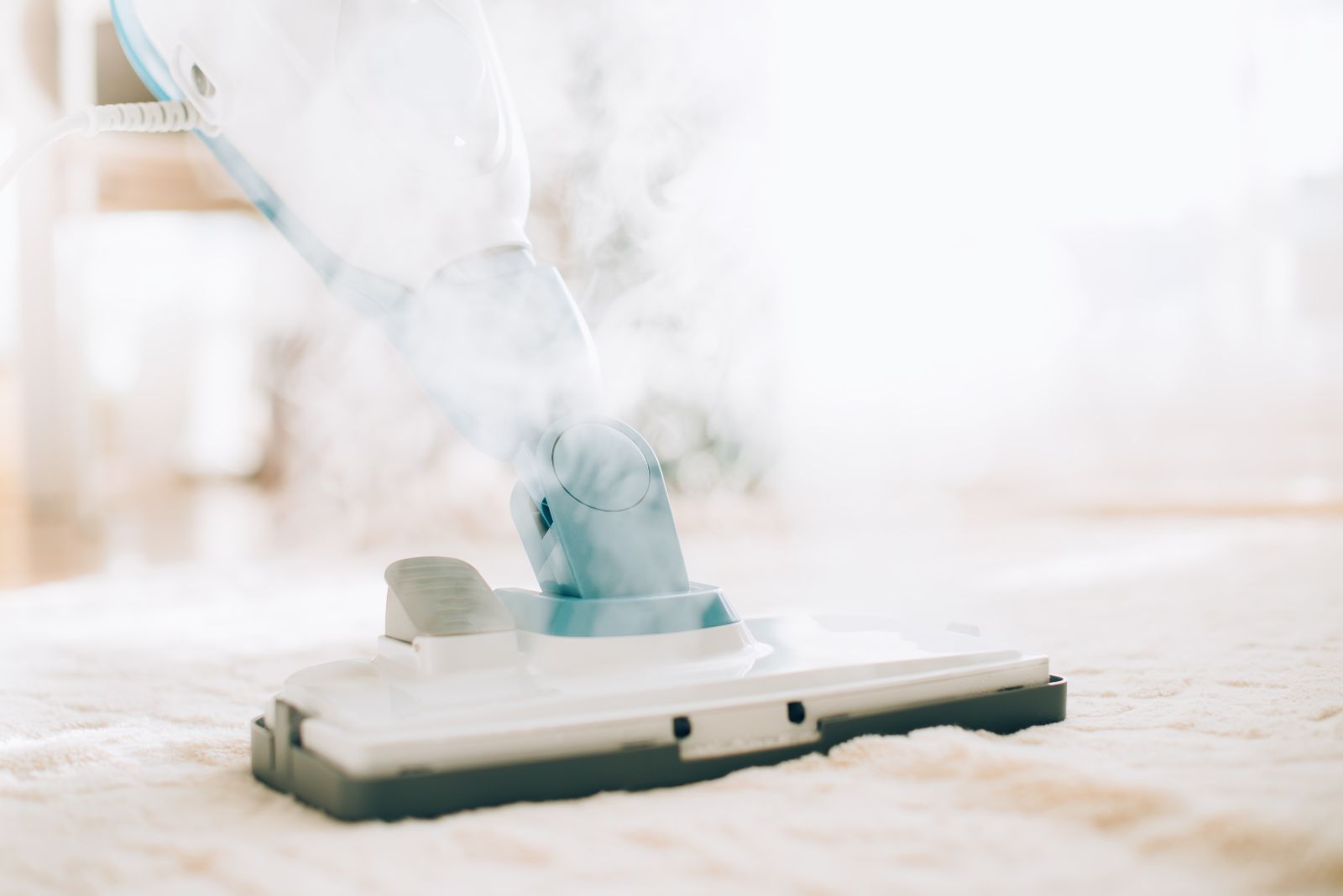
While demand for traditional cleaning services remains steady, there has been a significant increase in the popularity of niche cleaning services. These services cater to specific sectors or address unique cleaning needs that go beyond general cleaning, such as speciality cleaning for air ducts, carpets, and upholstery. Additionally, services targeting high-net-worth individuals, such as bespoke home cleaning or after-party cleaning, are also seeing increased demand.
How Cleaning Businesses Can Stay Ahead in 2027
With the UK cleaning industry expected to continue its growth in 2027 and beyond, staying up to date with the latest trends and statistics will help cleaning businesses succeed in an ever-changing market. By embracing sustainability, automation, health-focused cleaning, and digital tools, cleaning businesses can adapt to changing consumer demands and stay competitive.
Jani King has a client base that stays remarkably loyal; our mean client tenure sits at approximately 11 years, with the longest-standing client, having remained with Jani-King for around 22 years. Get in touch to see how we can support your cleaning franchise business in 2026 and into 2027.
You also might be interested in

Care Home Cleaning Guidelines & Covid-19 Checklist
December 16, 2020
DIY vs Outsourcing to a Professional Cleaning Company
June 06, 2023